
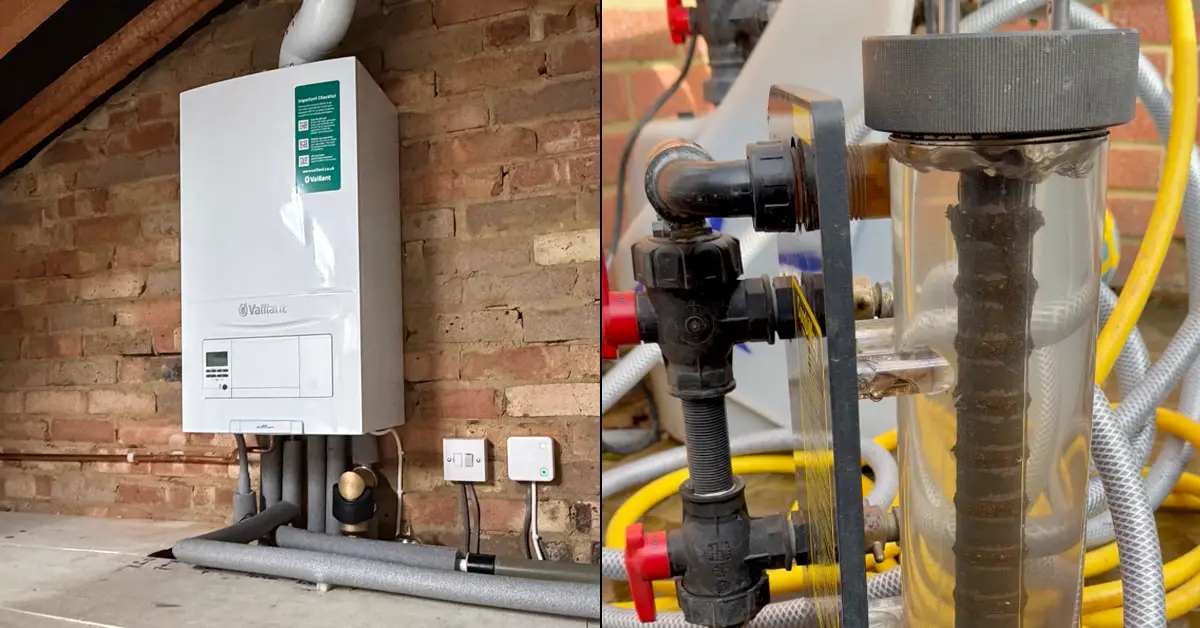
If you’re comparing boiler quotes in London or Kent, you might notice something confusing: the same boiler model can come with very different prices.
Sometimes the gap can be as much as £500–£1,000 – or even more.
When that happens, it’s tempting to assume one company is overpriced. But in reality, most of the difference is what’s included around the boiler installation.
Many quotes are priced as a simple boiler swap, whereas ours is priced as a heating system upgrade, designed to protect your new boiler, improve efficiency, and prevent the most common (and costly) early failures.
This guide explains exactly why our boiler quote may be higher than others, what cheaper quotes often leave out, and how to compare quotes properly so you can make a confident decision.
Quick summary
- Boiler installation quotes vary because some installers price for a quick swap, while we price for a heating system upgrade.
- The biggest differences are usually system cleaning (a 20–60 minute “cleanse” vs a 6–8 hour radiator-by-radiator power flush) and controls/valves (TRVs + balancing).
- A cleaner, balanced system helps your new boiler run more efficiently and can reduce the risk of early faults.
We carry out boiler installations across London and Kent, and we’ve written this guide to help you compare quotes like-for-like before you commit.
Boiler installation quotes can look similar – but the work included often isn’t
A boiler installation isn’t just a “remove old boiler, fit new boiler” process.
That’s because your boiler is connected to a wider system: radiators, pipework, valves, controls, and the water circulating through them.
And that matters because:
- Modern boilers are efficient and precise – but they don’t tolerate dirty system water, sludge, restricted flow, or poor circulation.
- A new boiler connected to a dirty system can be a risk to the heat exchanger, efficiency, and warranty compliance.
So the real question when comparing quotes isn’t “Is the boiler the same?”. It’s: “Is the heating system being cleaned, protected, balanced, and controlled properly from day one?”
The biggest price difference: a proper power flush vs a quick “cleanse”
One of the most common reasons our quote is higher is the standard we set for system cleaning.
Not every home needs the same level of cleaning – but if sludge is present, a quick cleanse and a full power flush are not comparable.
Many heating systems (especially older ones) contain thick iron oxide sludge.
What is iron oxide sludge?
It’s a build-up of corrosion particles (often black or dark brown) that forms inside radiators and pipework over time.
As it collects, it can restrict flow, create cold spots, and make it harder for your heating system to circulate water properly – which is exactly what a modern boiler relies on for safe, efficient operation.
That sludge can also increase noise, reduce efficiency, and damage components inside a new boiler.
What some installers include: a quick power cleanse (20–60 minutes)
A cheaper quote may include something described as a “cleanse” or “power cleanse”.
But it can be a very light-touch job, typically:
- Chemicals added
- Brief circulation
- Drain and refill
- Takes around 20–60 minutes
This can improve the water slightly, but it often doesn’t remove the heavier sludge sitting in radiators and low points in the system.
What we include: a full 6–8 hour power flush (radiator-by-radiator)
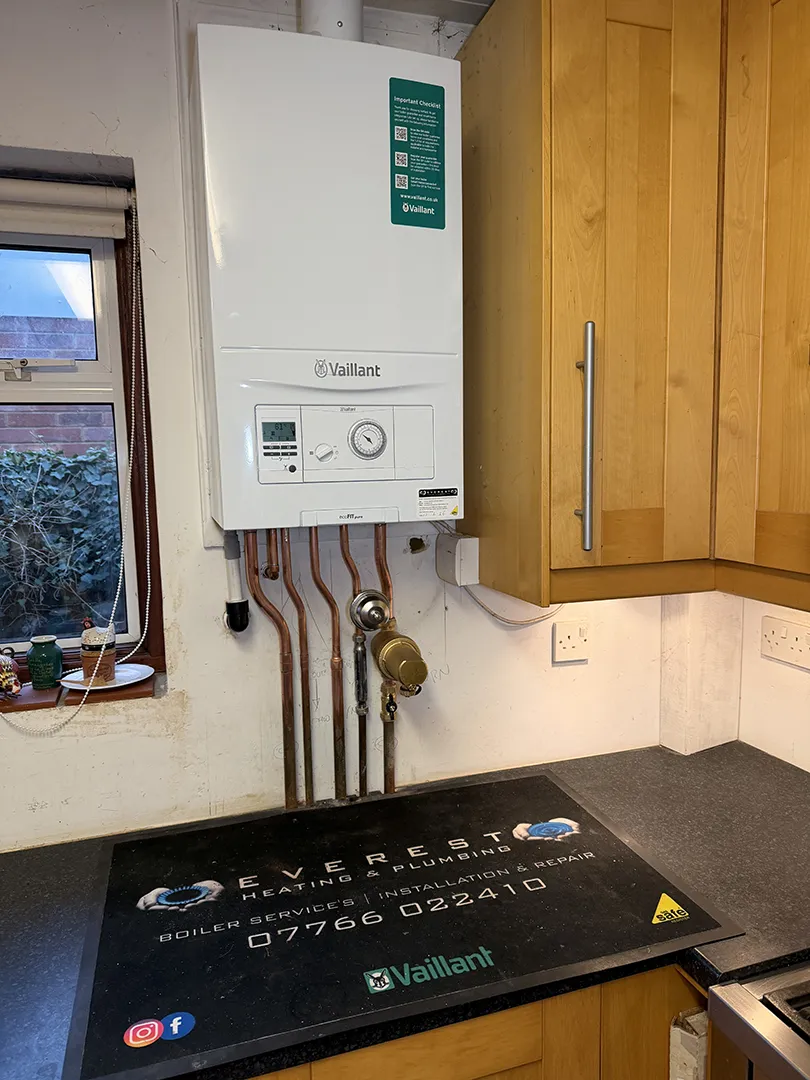
We include a full 6–8 hour power flush that’s designed to actually remove sludge – not just dilute it.
That typically involves:
- Each radiator isolated individually
- High-velocity flushing, one radiator at a time
- Flow reversed and agitated
- Magnetic filtration used throughout
- Flushing continued until water runs clear
- Fresh inhibitor added at the end
This alone can account for around £500 difference between quotes.
See our power flushing in action:
Questions to ask any installer about flushing
- Will you flush each radiator individually (not just circulate chemicals around the system)?
- How long is allowed for the flush in your quote?
- Will you use magnetic filtration during the process?
- Will you add inhibitor after cleaning?
Why it matters – especially with a brand-new boiler
A new boiler’s heat exchanger and internal waterways are designed for clean, treated system water.
If sludge is left behind, you can see issues such as:
- Reduced efficiency (higher gas bills for the same heat)
- Noisy operation (kettling/whistling in some cases)
- Poor circulation (radiators heating unevenly)
- Premature wear on the boiler and pump components
- Potential warranty headaches if the system wasn’t cleaned and protected properly
Put simply: we don’t take that risk – because when you’re investing thousands in a new boiler, protecting that investment starts on day one.
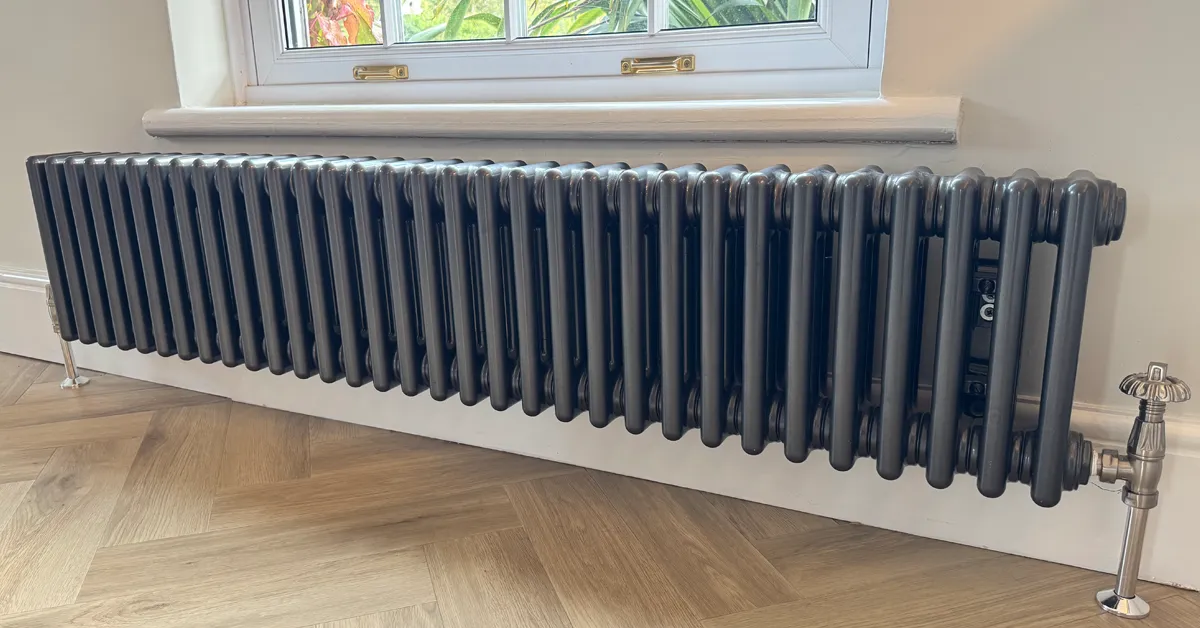
The second key difference: radiator valves, TRVs, and proper system balancing
Cleaning is only part of doing the job properly. For a system to be flushed, protected, and balanced, each radiator needs to isolate and regulate correctly.
Many older systems:
- Have seized or sticking valves
- Cannot isolate fully
- Have no thermostatic control
When valves can’t isolate properly, it’s harder to flush each radiator effectively. And when radiators can’t regulate properly, your new boiler can’t deliver the comfort and efficiency you’re expecting.
What we recommend including
We often recommend:
- Replacing radiator valves (where needed)
- Installing TRVs (Thermostatic Radiator Valves)
- Fully rebalancing the system
This can add approximately £400 to a boiler installation quote.
However, this depends on what your existing valves and controls are like; we only recommend replacements where they’ll genuinely improve performance, comfort, or reliability.
What you get for that £400
Done properly, valve upgrades + TRVs + balancing deliver:
- Room-by-room temperature control
- Lower energy usage
- Proper circulation (hotter radiators where you need them)
- Long-term boiler protection (better flow rates)
- A system that’s set up correctly from day one
Balancing is especially overlooked in cheap quotes. It’s how you ensure the correct flow rates across the system, so you’re not stuck with the “upstairs is freezing / downstairs is boiling” problem, or radiators that never properly heat at the far end of the house.
Cheaper quote vs system upgrade: a quick comparison
Here’s a simple way to compare like-for-like:
So why is our boiler quote higher?
Because we’re not just swapping a boiler.
Instead, we are:
- Cleaning the system correctly
- Protecting the new heat exchanger
- Ensuring correct flow rates
- Upgrading system control
- Setting everything up properly
And we take enormous pride in building reliable heating systems that last for our customers.
Yes, you can install a boiler in a few hours. But we believe the best option is to install it properly, with the right preparation and protection, so it performs the way it should for years.
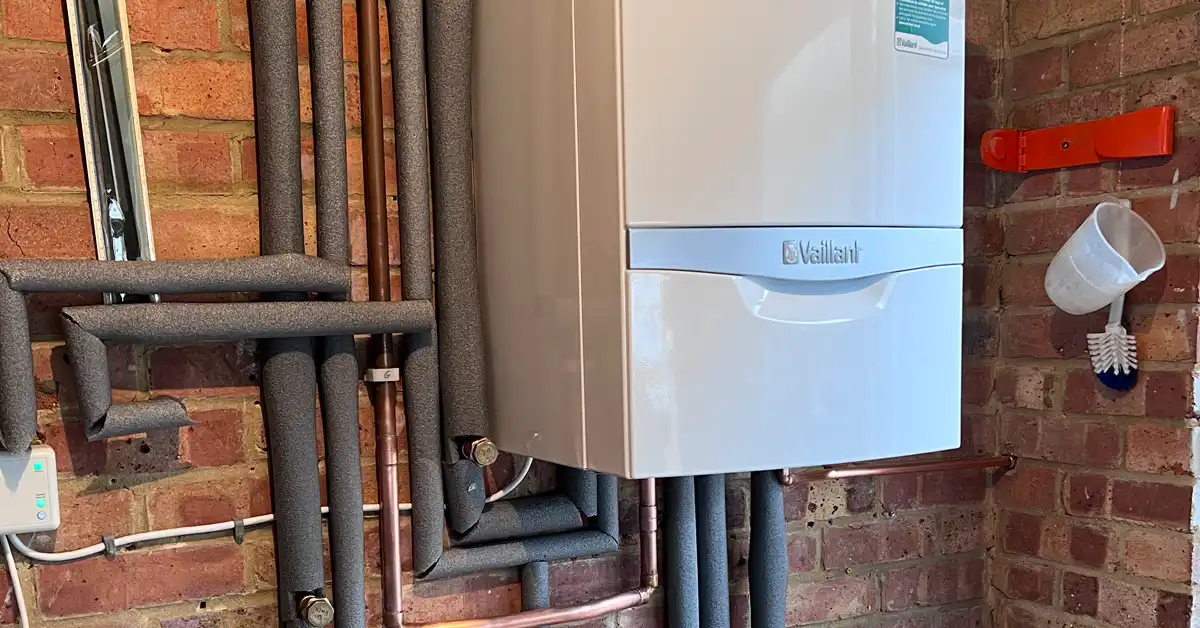
Why homeowners choose Everest Heating & Plumbing for boiler installations and heating system upgrades
- Transparent, itemised quotes so you can compare like-for-like
- System-first approach (not just a boiler swap)
- Tidy, respectful workmanship and clear communication throughout
- Gas Safe Registered engineers
- Support with aftercare and maintenance advice once your installation is complete
- We’ll talk you through your quote line-by-line so you understand exactly what’s included
- We provide clear commissioning and handover, including advice on system pressure, controls, and ongoing maintenance
- We’ll pressure-test and check safe operation as part of commissioning, and explain the controls so you’re confident using your system
How to compare boiler quotes properly (a quick checklist)
When you’re comparing boiler installation quotes, don’t just ask “What boiler is it?”
Make sure you also ask:
- What type of system clean is included, exactly what does it involve, and how long is allowed for it? (If they say 30–60 minutes, it’s not the same as a full radiator-by-radiator flush.)
- Will you isolate each radiator and flush individually?
- Is magnetic filtration used during the clean?
- Will you add inhibitor once the system is clean?
- Are TRVs included or recommended – and is balancing included?
- Is the quote itemised so you can compare like-for-like? (Vague quotes make it hard to know what’s being skipped)
Boiler installation quotes can also vary depending on factors like the size of the system, flue position, condensate routing, upgrading controls, system condition, and whether pipework or radiators need attention – which is why itemised quotes matter.

Boiler installation quote FAQs
Do I really need a power flush with a new boiler?
Not every system needs the same level of work, but if your system contains sludge (common in older systems), fitting a new boiler without proper cleaning can risk the heat exchanger, efficiency and warranty compliance.
What’s the difference between a power cleanse and a power flush?
A quick cleanse is often chemicals + short circulation + drain/refill (20–60 minutes). A full power flush is a longer, radiator-by-radiator clean using high-velocity flushing and magnetic filtration until the water runs clear.
Can sludge really damage a new boiler?
It can restrict flow and strain components. Modern boilers are efficient and precise, but they don’t tolerate sludge, imbalance, or poor circulation.
Why do TRVs matter?
TRVs give room-by-room control and help reduce energy usage. They also support correct system regulation when combined with proper balancing.
What does “balancing” mean?
Balancing is adjusting the system so radiators receive appropriate flow rates. It helps achieve even heating, better comfort, and more stable boiler operation.
Why is one quote £500–£1,000 cheaper for the same boiler?
Usually because the quote is priced as a boiler swap, not a system upgrade. The biggest differences are often the depth of system cleaning (proper flush vs quick cleanse) and whether TRVs/valves and balancing are included.
How long should a proper boiler installation take?
A straight swap can be done quickly, but if the system is being cleaned thoroughly and set up correctly, the job naturally takes longer – especially with a full 6–8 hour flush and commissioning work.
Is the cheapest quote ever the best option?
Sometimes you’ll find excellent value – but if key work is missing, a “cheap” quote can become expensive through future breakdowns, inefficiency, or corrective work later.
Will a power flush improve radiator heat and reduce cold spots?
If sludge and restricted flow are causing cold areas on radiators, a proper radiator-by-radiator power flush can significantly improve circulation and heat distribution.
What should be included in a boiler installation quote?
At minimum, your quote should clearly state what’s included for system cleaning, protection (filter/inhibitor), controls (like TRVs), commissioning, and whether balancing is included, so you can compare like-for-like.
Do I need a magnetic filter with a new boiler?
In many systems, a magnetic filter helps capture circulating debris and protect the boiler over time. Whether it’s essential depends on system condition, but it’s a common part of a system protection approach alongside inhibitor and proper cleaning.
Get an itemised boiler quote you can compare like-for-like
If you’re choosing between quotes, we’re happy to provide an itemised boiler installation quote that clearly shows what’s included – especially around system cleaning, protection, TRVs/valves, and balancing.
If you already have other quotes, send them over – we’ll help you compare them line-by-line so you can see what’s genuinely included.
Before you decide, it can also help to read our guides on power flushing and boiler servicing, so you know what good looks like long-term.
That way you can compare properly and choose between a quick boiler swap – or a heating system upgrade designed for efficiency, reliability, and long-term performance.


